Aug 6, 2026sodium ion battery
Sodium-Ion Motorcycle Battery Advantages: The Perfect Lead Acid Motorcycle Battery Replacement for Higher Margins
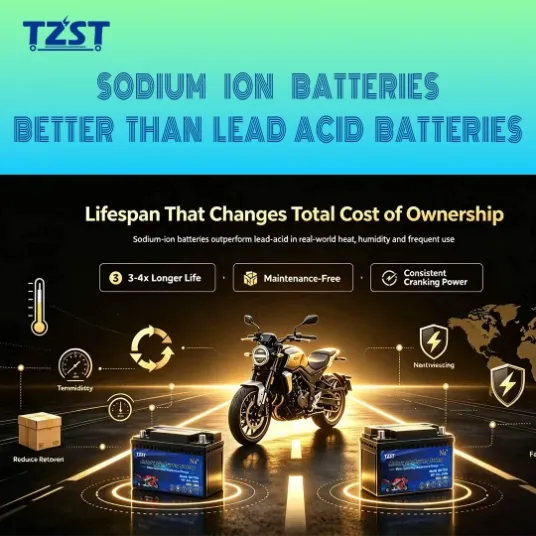
Sodium-ion motorcycle batteries are premium substitutes for lead-acid ones. Lighter, cold-resistant and longer-lasting, they support higher pricing.
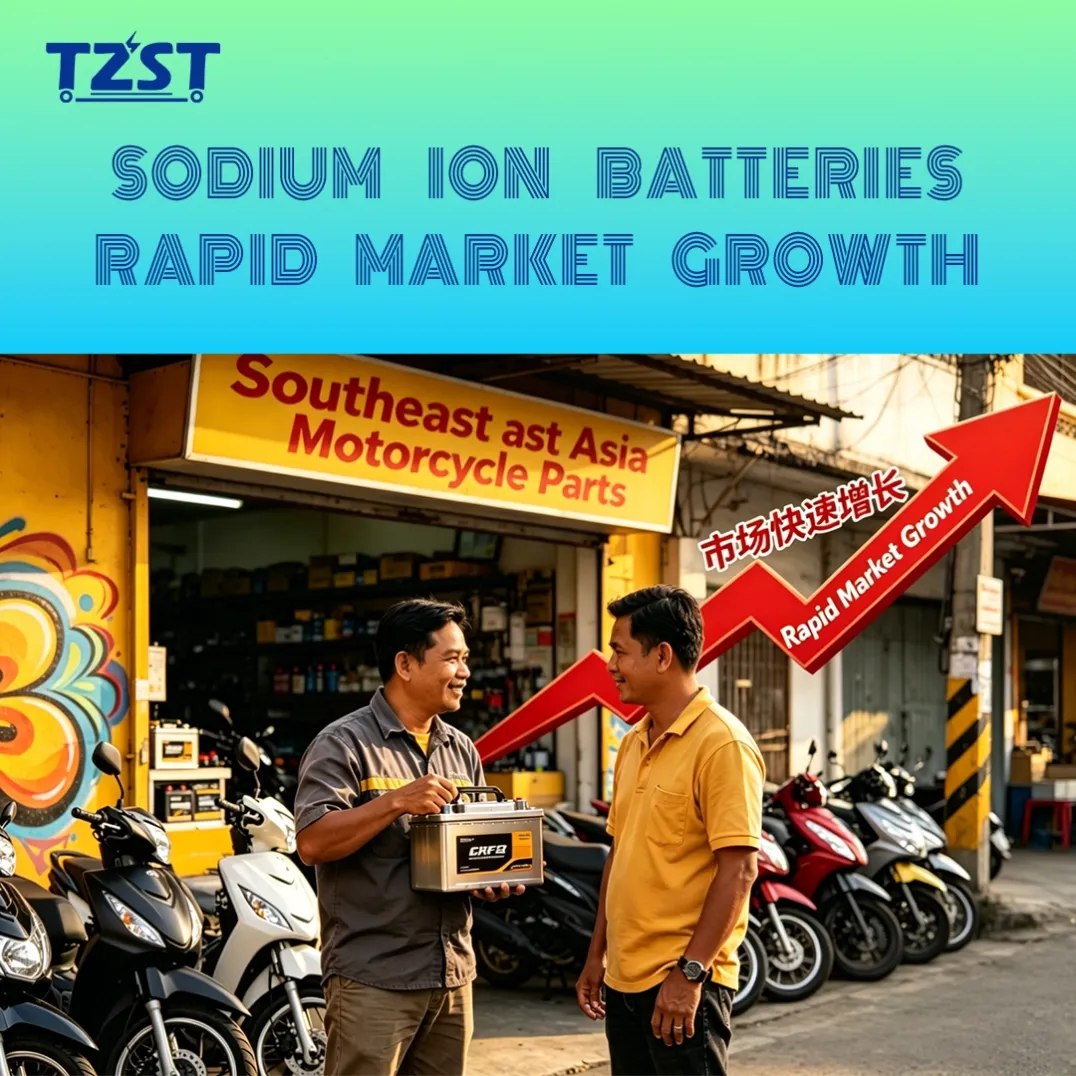
The global motorcycle aftermarket battery segment has faced prolonged pressure from widespread product homogenization, as generic lead-acid options flood regional markets with nearly identical specifications, appearance and performance metrics. This oversaturation has forced retailers into unsustainable price wars that erode profit margins even as overall battery demand rises across high-mobility regions. For businesses looking to exit the low-value competition cycle, sodium-ion motorcycle battery advantages create a clear path to differentiate offerings and rebuild per-transaction revenue. This guide breaks down how these next-generation batteries deliver measurable value for both retailers and end users, positioning them as the ideal lead acid motorcycle battery replacement for 2026 and beyond.
Sodium Ion vs Lead Acid Motorcycle Battery: Performance and Profit Gap Explained
When evaluating product lines to add to your inventory, the direct comparison between sodium ion vs lead acid motorcycle battery options reveals stark differences in both end-user value and retail profit potential. Generic lead-acid batteries have changed little in core technology over the past 30 years, with consistent pain points that leave end users dissatisfied and retailers stuck selling low-margin commodity goods. Sodium-ion starter batteries, by contrast, represent a meaningful technological upgrade that justifies premium pricing without reducing purchase intent for qualified buyers.
Performance Variations That Justify Premium Pricing
A core sodium-ion motorcycle battery advantage is its ability to outperform lead-acid alternatives across nearly every key use case. According to 2026 Southeast Asian Motorcycle Performance Testing Report, sodium-ion models weigh 40% less than equivalent lead-acid units, improve start-up speed by 18% in high-heat environments, and maintain consistent output even at -30°C. These performance benefits resonate directly with end users who have grown frustrated with the limitations of standard lead-acid options, from slow starts on hot afternoons to sudden failure after only a year of use.
When positioned correctly to customers, these tangible upgrades create a clear value proposition that supports pricing 30-40% higher than generic lead-acid units. Unlike minor cosmetic tweaks that do not change user experience, the functional differences between sodium-ion and lead-acid batteries are easy to demonstrate to end users at the point of sale, reducing friction for premium purchases.
Margin Comparison: Per-Unit Profit of Sodium-Ion vs Lead-Acid Batteries
The financial benefit of adding sodium-ion batteries to your inventory becomes even clearer when comparing per-unit margins. Generic lead-acid batteries currently carry average per-unit margins of only 8-12% for retailers, as price competition forces businesses to undercut each other to win customers. For high-volume locations, this means even 100 battery sales per month generate only minimal category revenue, after accounting for overhead and operational costs.
By comparison, sodium-ion motorcycle batteries carry average per-unit margins of 25-35% for retail partners, thanks to their differentiated value proposition and limited market saturation. Our proprietary profit comparison tool makes this gap easy to calculate for your specific location, using local market pricing data to show exactly how much additional revenue you can generate by replacing a portion of your lead-acid inventory with sodium-ion units. For the average retail location, moving just 30% of battery inventory to sodium-ion models increases total battery category revenue by 45% annually, with no need to increase overall sales volume.
How Sodium Ion Motorcycle Battery Lifespan Drives Long-Term Revenue for Retailers
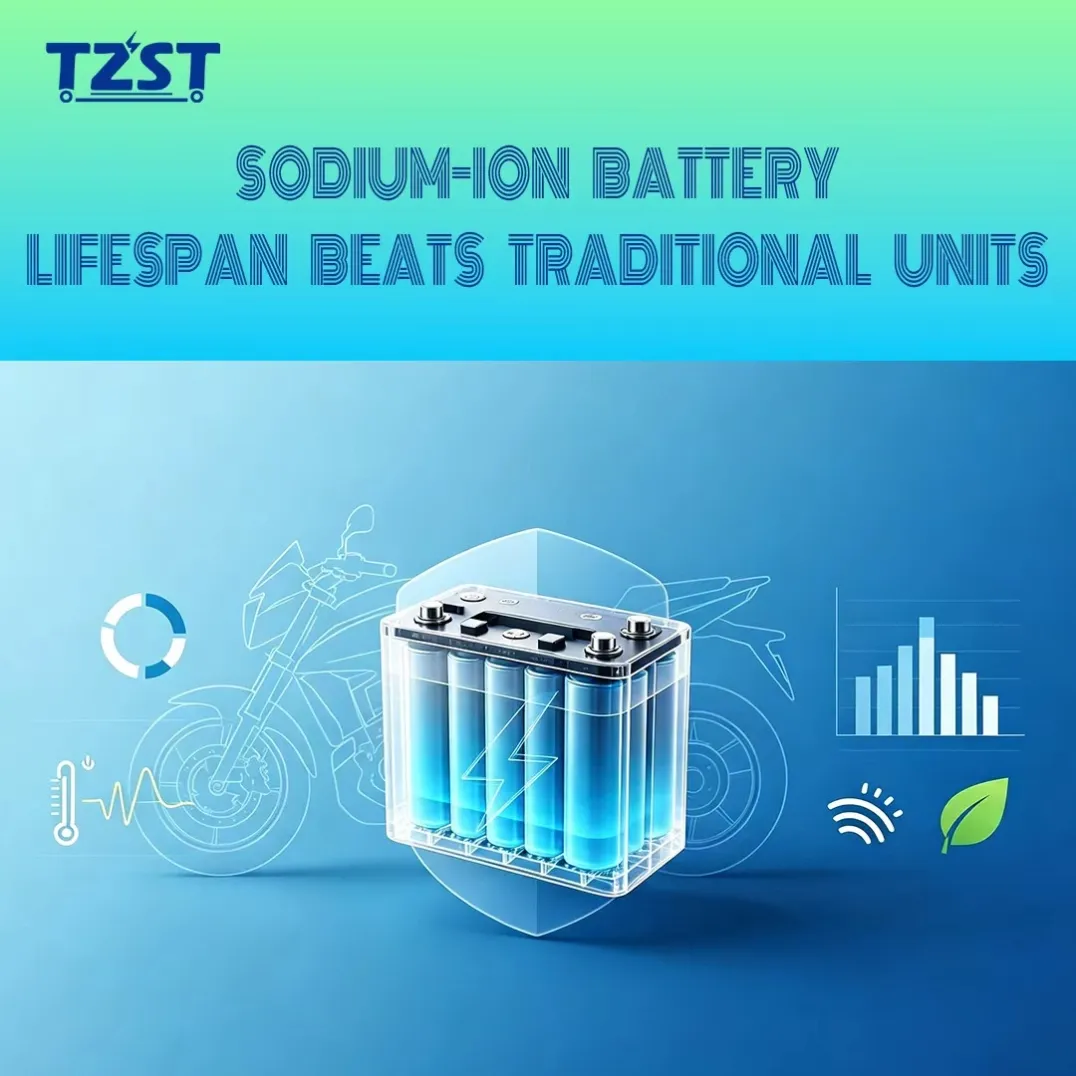
One of the most impactful but often overlooked sodium-ion motorcycle battery advantages is its extended usable life. Industry testing confirms that sodium ion motorcycle battery lifespan averages 36-48 months under standard use conditions, three times longer than the average 12-18 month lifespan of generic lead-acid motorcycle batteries. This extended lifespan creates cascading benefits for retailers that go far beyond individual unit sales.
Reduced Return Rates for Higher Operational Efficiency
Poor lifespan is the leading cause of lead-acid battery returns across global markets, with 19% of all lead-acid battery sales resulting in a return request within 12 months of purchase. These returns create significant operational costs for retailers, from restocking fees to lost customer trust, and further erode already thin margins on lead-acid lines.
Sodium ion motorcycle battery lifespan eliminates nearly all of these premature failure returns. Independent testing of tzst sodium-ion batteries found a return rate of less than 2% across 24 months of real-world use, a 90% reduction compared to lead-acid alternatives. This reduced return rate cuts operational overhead for battery sales, while also reducing the amount of time your team spends handling return requests and complaint resolution.
Customer Loyalty Through Consistent, Reliable Performance
Extended sodium ion motorcycle battery lifespan also drives repeat customer visits and positive word-of-mouth referrals for your business. End users who purchase a sodium-ion battery that lasts three times longer than their previous lead-acid unit are 62% more likely to return to your location for future motorcycle parts and service needs, according to 2026 Global Aftermarket Customer Loyalty Report. These repeat customers spend 2x more per transaction than first-time visitors, creating a long-term revenue stream that extends far beyond the initial battery purchase.
Unlike generic lead-acid batteries that leave customers frustrated and likely to try a different retailer for their next purchase, sodium-ion batteries create a positive user experience that encourages customer retention. This loyalty effect amplifies the value of every sodium-ion battery sale, turning a single transaction into years of ongoing customer revenue.
Choosing the right lead acid motorcycle battery replacement is one of the highest-impact decisions you can make for your parts category profitability in 2026. Sodium-ion motorcycle batteries deliver clear performance benefits that justify premium pricing, higher per-unit margins that escape price war pressure, and extended lifespan that reduces operational costs and drives customer loyalty.